Projects
Open-source, open-core, and selected closed-source work in battery systems, embedded systems, and safety-critical applications.
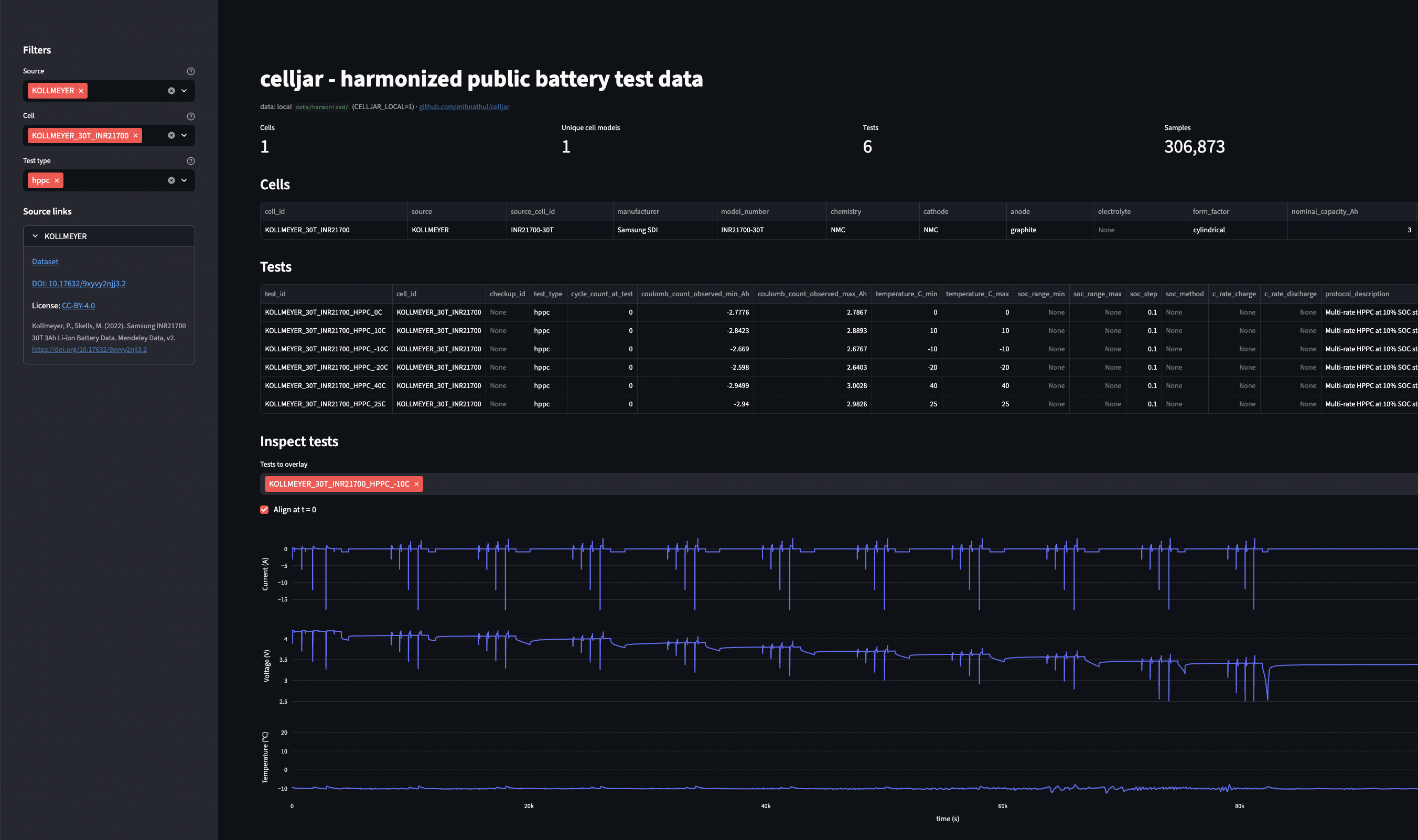
celljar
Public battery test data is scattered across many sources, each with its own format, units, and structure - so every project starts with custom wrangling before any analysis.
celljar harmonizes published datasets (10 so far, spanning 8 cell models / 280 cells / ~184M time-series rows) into one canonical schema: metadata as JSON, time series as Parquet for fast queries and compact storage. Query across every dataset with simple SQL / pandas / Polars, or explore them in the included viewer. Free and hosted on HuggingFace ( downloads in the last 30 days); code on GitHub.
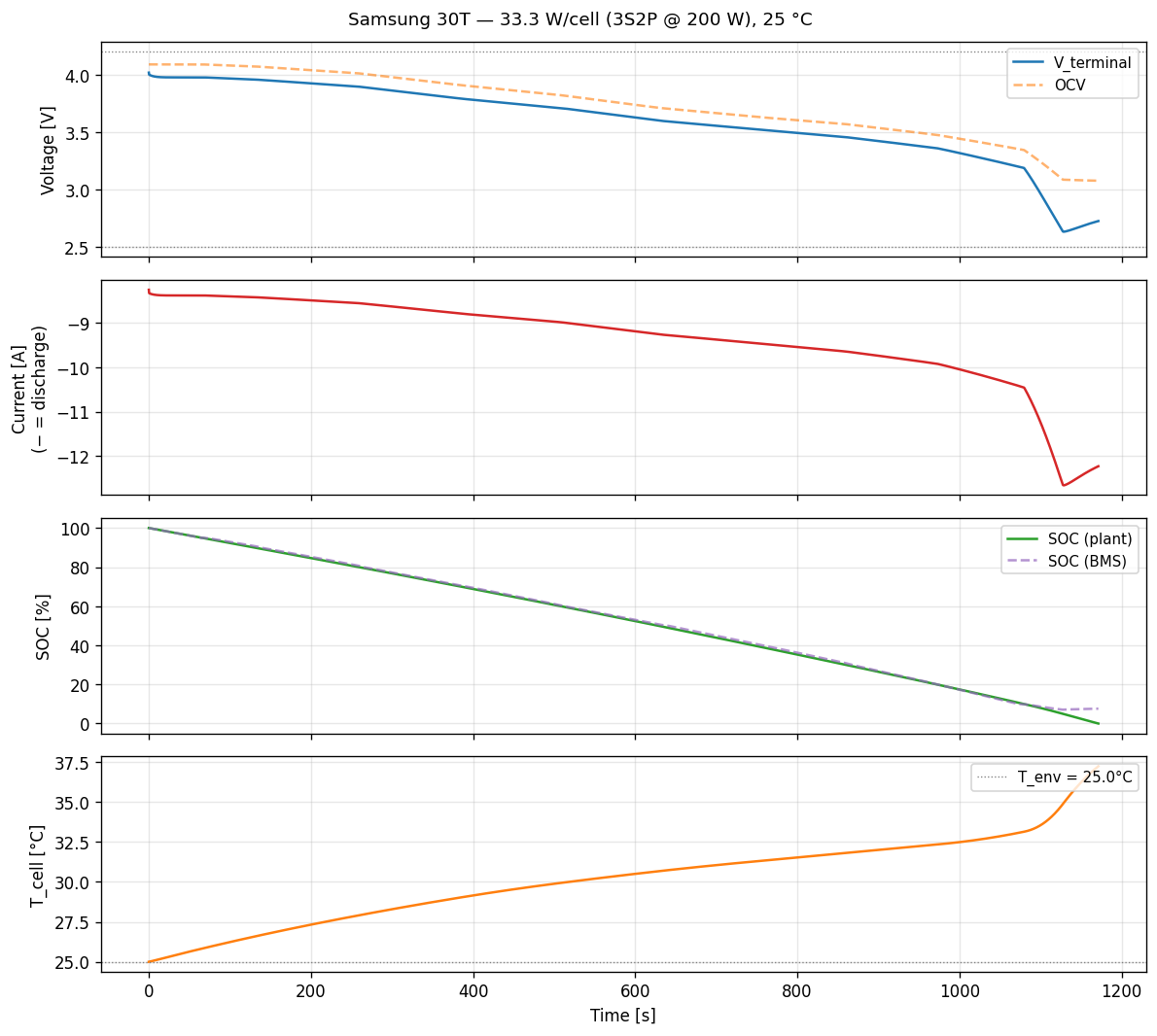
ess_pysim
BMS estimators are only as good as the cell model behind them, and the model is only as good as the data its parameters were fitted from - accuracy shown on one cell, temperature, or drive profile does not automatically carry to another.
A Python framework, currently built on public datasets and test protocols, that closes the loop from raw data to validated BMS algorithms: cell parameters from celljar's harmonized datasets drive electro-thermal ECM models and a full BMS application layer, from cell to pack. Validated out-of-sample against UDDS and US06 drive cycles (26 mV RMSE, Samsung 30T at 25C). Request a demo.
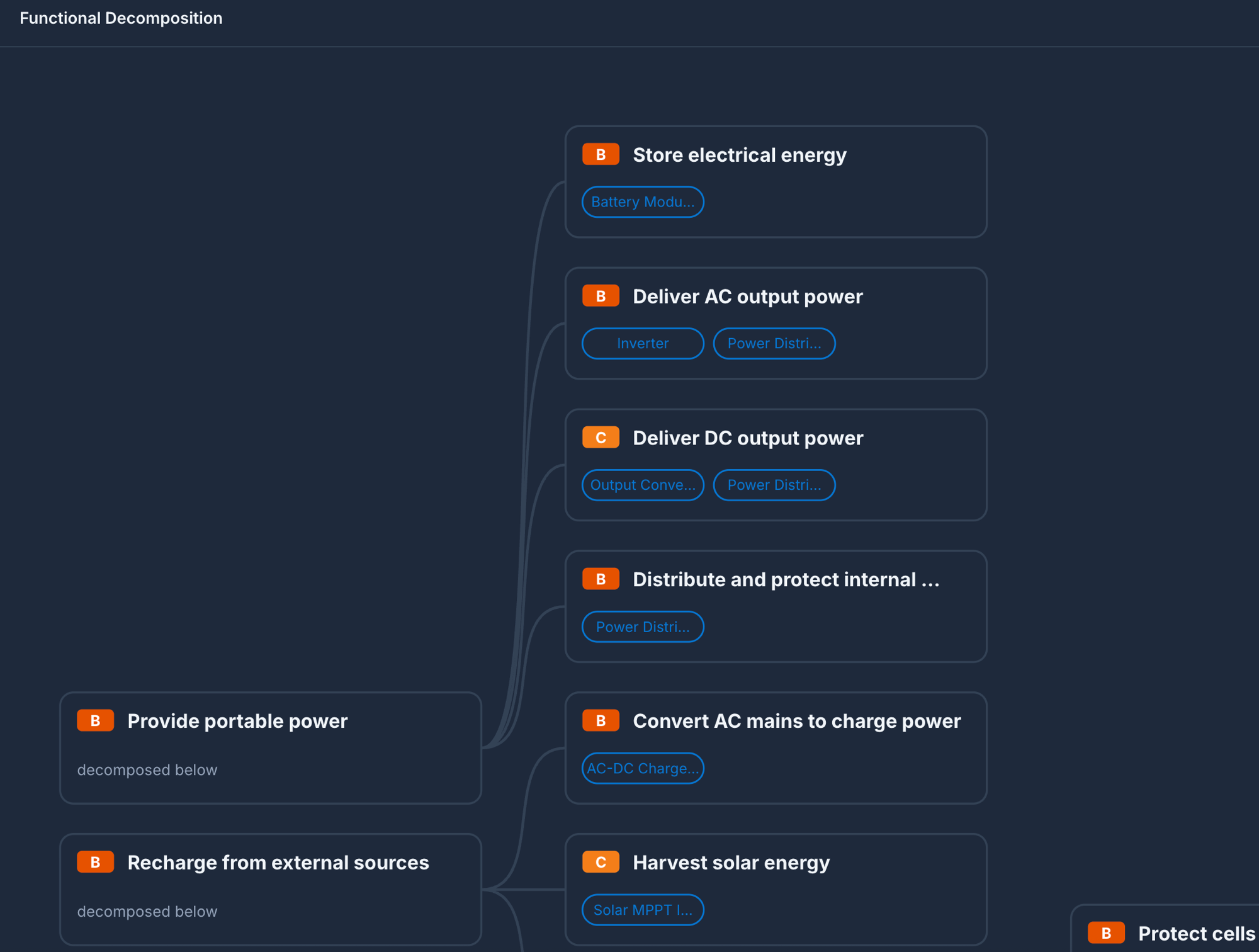
TraceStack
For safety-critical systems, requirements anchor every phase gate, from SRR through certification. But requirements, safety analyses, HW/SW artifacts, and their V&V live in disconnected tools and dashboards, so change impact is traced by hand and certification/compliance evidence is rebuilt before every review.
A single platform for the whole assurance thread - requirements, trace links, safety analyses, and verification evidence - where a change on either end auto-flags what it touches, so impact is surfaced rather than hunted and review evidence stays current. Aligned to ARP 4754B / ARP 4761A / DO-178C. Early alpha - demo available on request.

telemetry-specwatch
Spec limits live in documents while telemetry streams past unchecked - excursions surface in post-processing, long after the test article has moved on.
SpecWatch turns specifications into live, on-edge monitors (NVIDIA Jetson): telemetry is checked in real time against spec-derived envelopes, so excursions and drift raise alerts as they happen rather than in review. Under conceptual development.